

2026 Volvo EX30 near Kingsport, TN
The 2026 Volvo EX30 is a compact electric SUV engineered to deliver strong electric performance, efficient battery operation, and advanced digital technology in a smaller vehicle platform. Volvo designed the 2026 Volvo EX30 to provide the driving capability of a modern electric SUV while maintaining a manageable size suited for urban environments and everyday driving conditions. The vehicle integrates a fully electric powertrain, high-output electric motors, and a carefully optimized battery system that supports efficient energy consumption.
The 2026 Volvo EX30 uses an electric vehicle architecture that supports multiple motor configurations and advanced energy management. This configuration allows the vehicle to deliver strong acceleration, efficient battery usage, and predictable driving range. Volvo developed the platform to support advanced software systems, integrated connectivity services, and modern driver assistance technologies. The design also incorporates structural engineering intended to maintain occupant protection and vehicle stability.
The combination of electric propulsion, fast charging capability, and integrated digital systems positions the 2026 Volvo EX30 as a technically advanced compact SUV designed for efficient daily transportation.
Digital Interface and Integrated Connectivity
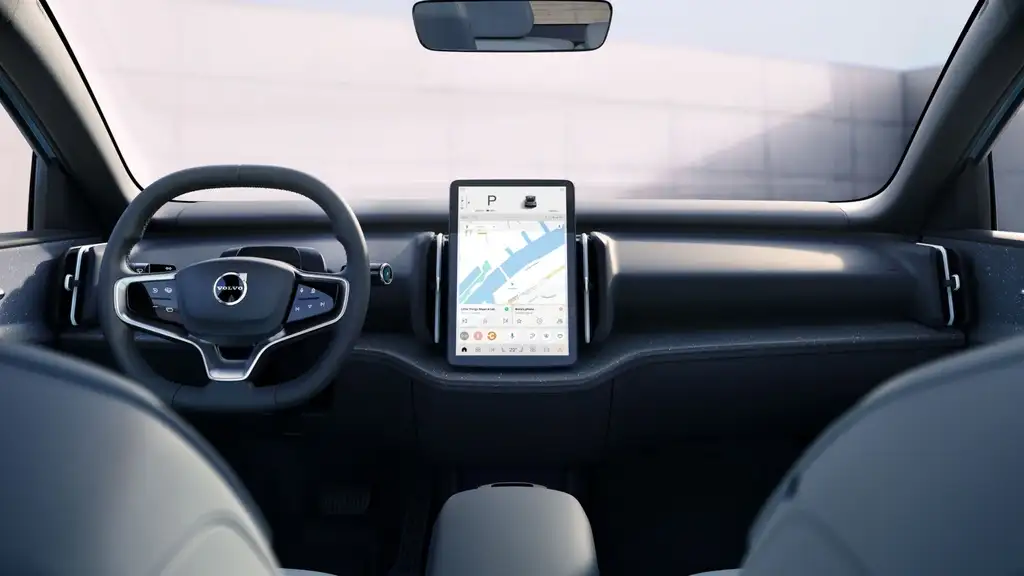
The interior of the 2026 Volvo EX30 features a digital interface designed to centralize vehicle information and connectivity functions. The cabin uses a centrally mounted touchscreen display that manages navigation, media playback, and vehicle configuration.
The infotainment system includes Google built-in technology. Drivers can access Google Assistant for voice commands and use Google Maps for navigation. Google Play integration allows access to compatible applications designed for in-vehicle use.
Wireless Apple CarPlay® compatibility is included as a standard feature. This function allows drivers to connect compatible iPhone devices and access applications such as messaging, music streaming, and navigation directly through the vehicle’s display.
The digital system also supports over-the-air software updates. Volvo can deliver updates that improve system performance, adjust vehicle settings, and introduce additional functionality without requiring physical service appointments.
The central display also provides vehicle status information. Drivers can monitor battery level, energy consumption, and driving efficiency through graphical displays that present information in a clear format.
Exterior Structure and Aerodynamic Engineering
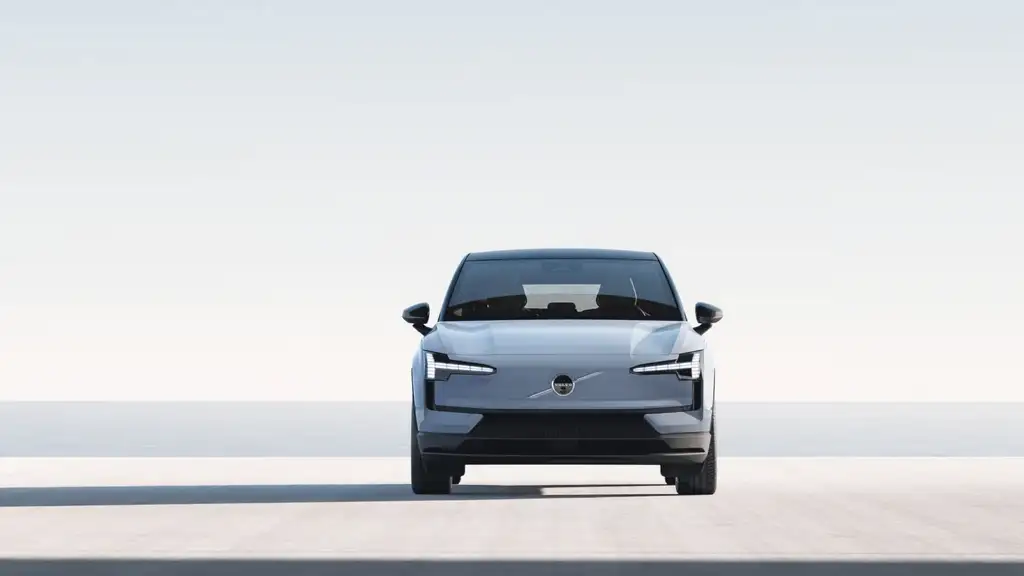
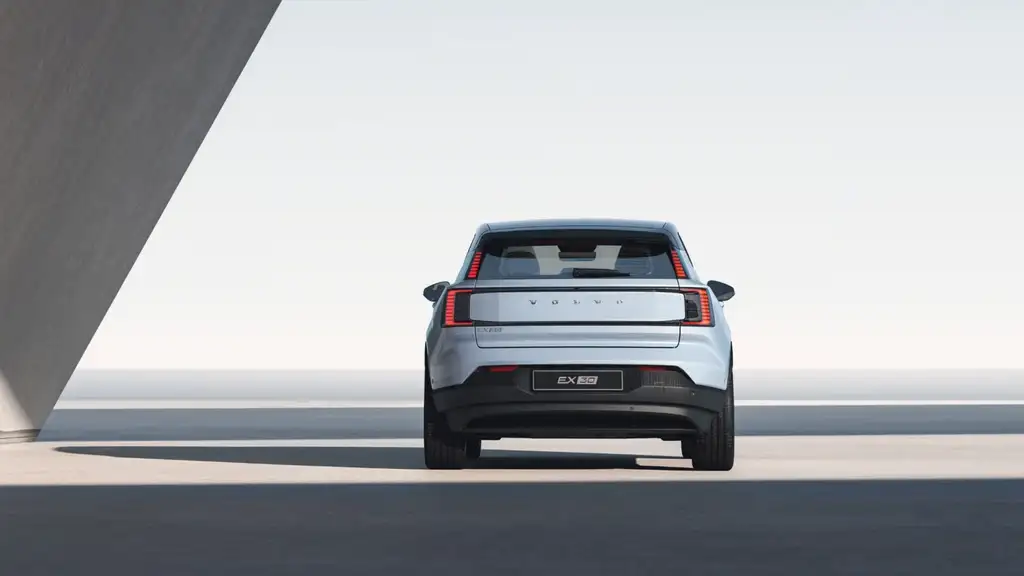
The exterior structure of the 2026 Volvo EX30 combines compact dimensions with aerodynamic design elements intended to improve efficiency and stability. Volvo engineers developed the body structure to reduce air resistance and maintain predictable handling at highway speeds.
The vehicle’s proportions reflect its classification as a compact SUV. Short overhangs and a balanced wheelbase improve maneuverability in urban environments. These proportions also contribute to responsive steering and stable cornering behavior.
The body structure incorporates reinforced materials that increase rigidity and support the vehicle’s safety systems. Structural components directly direct impact forces away from passenger areas in the event of a collision.
LED lighting technology is integrated into the vehicle’s exterior design. The lighting system improves visibility during nighttime driving and reduces energy consumption compared with traditional lighting systems.
Exterior panels and underbody surfaces are shaped to guide airflow around the vehicle. Reduced aerodynamic drag contributes to improved energy efficiency and supports extended electric driving range.
Electric Powertrain Architecture and Performance Capability
The 2026 Volvo EX30 is available with multiple electric powertrain configurations that differ in power output and drivetrain configuration. These configurations include a Single Motor Extended Range system and a Twin Motor Performance system.
The Single Motor Extended Range configuration uses a rear-mounted electric motor designed to provide balanced performance and efficiency. This configuration produces up to 272 horsepower and delivers consistent power delivery during acceleration and highway driving. The electric motor generates instant torque, which allows the vehicle to accelerate smoothly from a stationary position without the delay associated with conventional combustion engines.
The Twin Motor Performance configuration adds a second electric motor mounted on the front axle. This setup creates an all-wheel-drive drivetrain capable of distributing power between the front and rear wheels. The dual-motor system produces up to 422 horsepower and significantly increases acceleration capability. The system also improves traction during acceleration and enhances stability when driving on surfaces with reduced grip.
Acceleration performance reflects the high power output of the electric drivetrain. The Twin Motor Performance configuration can accelerate from 0 to 60 miles per hour in approximately 3.4 seconds. Electric motor response contributes to this acceleration capability because torque is available immediately after pressing the accelerator.
The vehicle’s drivetrain operates without multi-gear transmissions typically found in combustion-engine vehicles. Electric motors deliver power through a simplified drivetrain that reduces mechanical complexity and supports smooth and continuous acceleration.
Battery System and Driving Range Specifications
Energy storage in the 2026 Volvo EX30 relies on a lithium-ion battery system integrated into the vehicle’s floor structure. The placement of the battery lowers the vehicle’s center of gravity and improves overall stability during cornering and acceleration.
The Single Motor Extended Range configuration delivers an estimated driving range of up to 261 miles when the battery is fully charged under EPA testing standards. This range level supports typical commuting patterns and allows longer driving distances between charging sessions.
The Twin Motor Performance configuration delivers an estimated range of up to 253 miles when fully charged. This configuration prioritizes higher power output and all-wheel-drive capability, which increases energy consumption compared with the single-motor variant.
A Cross Country variant equipped with the Twin Motor Performance system offers an estimated range of approximately 227 miles. Range values depend on driving conditions, terrain, temperature, and vehicle maintenance.
The battery management system monitors cell temperature, charging state, and energy distribution throughout the vehicle. This system helps maintain battery efficiency and ensures consistent performance across different driving conditions. Thermal management systems regulate battery temperature to maintain safe operating conditions and reduce energy loss.
Regenerative braking technology contributes to energy recovery during deceleration. When the driver releases the accelerator or applies the brakes, the electric motor converts kinetic energy into electricity and sends it back to the battery. This process improves overall efficiency and supports extended driving range.
Charging Technology and Energy Management Systems
The 2026 Volvo EX30 supports multiple charging methods designed to accommodate different charging environments. Drivers can charge the vehicle using residential charging equipment or public charging infrastructure.
The vehicle supports DC fast charging that allows the battery to charge from 10 percent to 80 percent in approximately 26.5 minutes when connected to a compatible high-power charging station. Fast charging capability allows drivers to recharge the battery during short stops on longer trips.
The vehicle includes battery preconditioning technology that prepares the battery for charging before arriving at a charging station. When the driver selects a charging location in the navigation system, the vehicle automatically adjusts battery temperature to optimize charging speed. Pre-conditioning helps reduce charging time by ensuring the battery reaches an efficient temperature for energy transfer.
The vehicle’s center display provides charging information, including battery percentage and estimated range. Navigation software integrated into the system identifies nearby charging stations and calculates estimated battery levels at the destination.
The 2026 Volvo EX30 also supports home charging systems designed for overnight charging. Residential charging equipment allows drivers to connect the vehicle to a home wall charger and replenish the battery during periods of low electricity demand.
Charging compatibility includes support for additional fast-charging networks through an adapter that allows access to expanded charging infrastructure across North America
Driver Assistance Systems and Safety Engineering
Volvo integrates advanced driver assistance systems into the 2026 Volvo EX30 to support driver awareness and reduce collision risk. These systems rely on sensors, cameras, and radar components positioned around the vehicle.
Driver assistance technology monitors surrounding traffic conditions and provides alerts when potential hazards are detected. Systems assist the driver by helping maintain proper lane positioning and monitoring vehicles located in adjacent lanes.
Adaptive cruise control technology maintains a set speed while adjusting the vehicle’s distance from traffic ahead. This system can slow the vehicle automatically when traffic conditions require reduced speed.
Collision mitigation systems monitor forward traffic and detect obstacles that could lead to a collision. If the driver does not respond to warning alerts, the system can apply braking force to reduce impact severity.
Blind spot monitoring systems identify vehicles located in areas that may not be visible through mirrors. Cross-traffic detection technology monitors traffic approaching from the sides when reversing.
Structural safety engineering complements these electronic systems. The 2026 Volvo EX30 includes a reinforced safety cage that protects occupants by distributing impact forces through designated structural zones.
Interior Layout and Cabin Functionality
The cabin layout of the 2026 Volvo EX30 focuses on efficient use of interior space and simplified control placement. The electric platform allows the floor structure to remain flat, which increases available legroom for passengers.
Interior storage compartments are integrated into the center console and door panels to improve practicality. These storage areas provide space for personal items without occupying passenger seating areas.
Seating configurations support both passenger transport and cargo storage. Rear seats can accommodate passengers comfortably while allowing the cargo area to carry luggage or equipment when necessary.
Material selection within the cabin focuses on durability and efficient manufacturing processes. Volvo uses materials designed to withstand regular use while supporting the brand’s efforts to reduce environmental impact.
Noise reduction measures within the vehicle’s structure minimize road noise and allow the electric drivetrain to operate quietly during driving.
Schedule a Test Ride at Friendship Volvo of Bristol
Drivers interested in examining the technical capabilities of the 2026 Volvo EX30 can schedule a test drive to experience the vehicle’s electric performance and integrated technology firsthand. A test drive provides the opportunity to observe acceleration response from the electric powertrain, evaluate the digital interface, and review the operation of driver assistance systems during normal driving conditions. Visitors can also explore how the infotainment system, navigation tools, and charging information displays function inside the cabin environment. Friendship Volvo of Bristol, near Kingsport, TN, offers the opportunity to examine these features in detail while operating the vehicle on local roads. Scheduling a visit allows drivers to experience the vehicle’s electric power delivery, battery information displays, and integrated safety technologies in a practical driving setting.
Contact Us