

2026 Volvo EX30 vs Hyundai Kona Electric for Urban EV Living Near Kingsport, TN
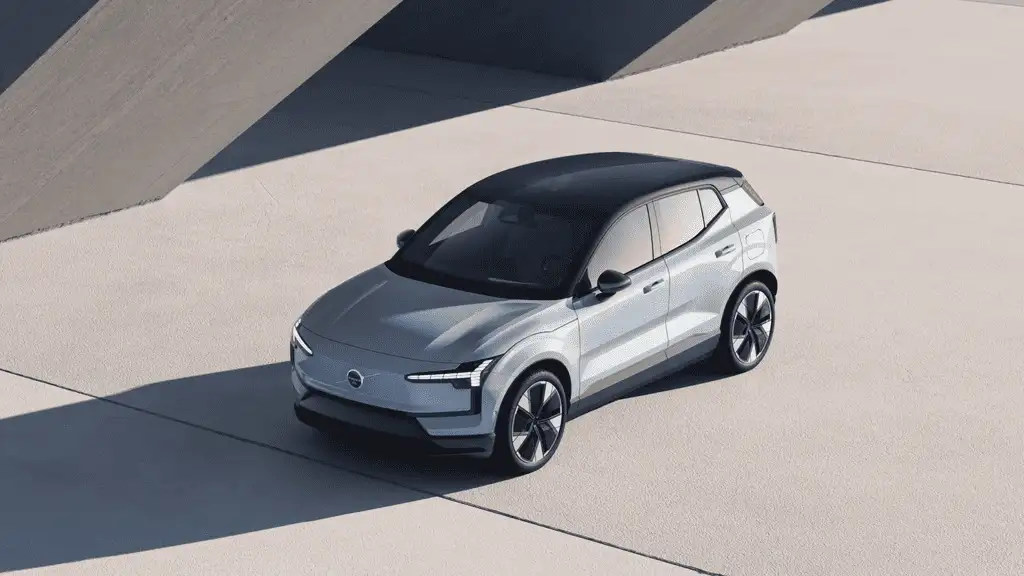
Electric vehicles often feel most natural in an urban routine, where quiet operation, smooth acceleration, and convenient charging can simplify daily travel. For drivers near Kingsport, Tennessee, that routine may include downtown errands, workplace commutes, school pickups, and weekend drives across the Tri-Cities. The 2026 Volvo EX30 brings a compact luxury approach to these responsibilities, combining a small footprint with confident electric performance and a thoughtfully simplified cabin. The Hyundai Kona Electric offers a roomier and more conventional small-crossover experience, although shoppers may encounter it primarily through earlier model-year inventory. A 2026 Volvo EX30 vs Hyundai Kona Electric comparison therefore becomes less about choosing between identical formulas and more about deciding which ownership style feels natural.
Both vehicles make electric driving approachable during ordinary trips rather than treating it like a special event. Each delivers immediate response, quiet movement, and the convenience of starting the day without visiting a gas station. Their personalities begin to separate once space, cabin design, charging habits, and daily priorities enter the picture. The 2026 Volvo EX30 feels smaller, quicker, and more design-focused, while the Hyundai Kona Electric emphasizes passenger room, familiar controls, and flexible cargo capacity. The stronger fit depends on where the vehicle will be parked, how often it carries passengers, and what the driver wants to feel behind the wheel.
Compact Dimensions Reshape The Daily Drive
Urban EV living depends on details that rarely stand out during a quick online search. Vehicle length affects parallel parking, garage access, and maneuvering through older commercial areas. Window placement and seating position influence confidence when backing out of tight spaces. Immediate electric response can make a busy intersection easier to enter, but aggressive acceleration may require a brief adjustment period. The 2026 Volvo EX30 and Hyundai Kona Electric handle these moments differently, giving each model a distinct place in a Kingsport-area lifestyle.
The 2026 Volvo EX30 Feels Naturally City-Sized
The 2026 Volvo EX30 measures about 166.7 inches long, giving it a tidy presence in narrow streets and crowded parking areas. Its compact body can feel especially useful for apartment residents, downtown employees, and drivers who regularly visit businesses with closely spaced parking stalls. A turning circle of about 35.1 feet also supports quick direction changes when a street is blocked or a parking opportunity appears unexpectedly. These dimensions create less hesitation behind the wheel rather than simply producing an advantage on a specification sheet. The 2026 Volvo EX30 feels easy to place, which can make repeated errands feel lighter and less demanding.
The 2026 Volvo EX30 also delivers an energetic driving experience without feeling physically large. The rear-wheel-drive Single Motor Extended Range model produces up to 268 horsepower, so acceleration feels immediate when traffic opens ahead. Drivers seeking stronger all-weather traction can consider the Twin Motor Performance model with all-wheel drive. That version produces up to 422 horsepower and can reach 60 mph in about 3.4 seconds. Most owners will value the smooth confidence of that power during merging and passing rather than chasing its maximum performance.
The Hyundai Kona Electric Offers Familiar Proportions
The Hyundai Kona Electric has a larger overall footprint and feels closer to a traditional compact crossover from the driver’s seat. That added size may require slightly more attention in a tight garage, but it also creates a greater sense of separation between passengers and cargo. Its front-wheel-drive layout produces predictable behavior that will feel familiar to many drivers leaving a gasoline-powered small SUV. The electric motor responds smoothly without demanding the dramatic performance character found in the 2026 Volvo EX30. This calmer personality can suit commuters who value relaxed progress and easy control.
Long-range Hyundai Kona Electric configurations use a 201-horsepower electric motor paired with a 64.8-kWh battery. Regenerative-braking paddles allow drivers to adjust how strongly the vehicle slows when the accelerator is released. That flexibility can make stop-and-go traffic feel more controlled after the driver finds a preferred setting. It also reduces repeated movement between the accelerator and brake pedal during crowded commutes. The Hyundai Kona Electric feels easy to understand, which may help first-time EV owners settle into electric driving with less adjustment.
Cabin Design Shapes Everyday Comfort
Compact electric crossovers must create useful space without feeling crowded or visually busy. A well-designed cabin can lower stress because frequently used information remains easy to find. Storage placement also matters when phones, cups, charging cables, bags, and keys all need a secure place. The 2026 Volvo EX30 favors a clean Scandinavian environment that removes traditional dashboard clutter. The Hyundai Kona Electric follows a more familiar arrangement that may require less adjustment for drivers accustomed to conventional controls.
Minimalism Gives The 2026 Volvo EX30 Its Character
The 2026 Volvo EX30 places most vehicle information and controls on a vertically oriented central touchscreen. This approach clears the dashboard and creates an open view through the windshield. The simplified layout can feel refreshing during a busy day because fewer visual elements compete for attention. It also means new owners should learn the menu structure before relying on it during dense traffic. Drivers who enjoy centralized digital controls may find the arrangement intuitive after a short period of familiarization.
Volvo also uses thoughtful storage solutions to make the compact cabin work efficiently. Door-mounted speakers free space within the door panels, while the center console provides adaptable compartments for everyday items. Rear passengers gain centralized window controls, which supports the uncluttered door design of the 2026 Volvo EX30. Distinctive materials and textures create a modern environment without making the cabin feel overly formal. The result suits drivers who view a vehicle interior as part of their daily living space rather than a collection of separate controls.
The 2026 Volvo EX30 provides comfortable front-seat room, but its compact dimensions become clearer in the second row. Rear legroom measures about 32.3 inches, so taller adults may sit closer to the front seatbacks during longer drives. Children, teenagers, and occasional passengers are likely to fit the space more naturally. Couples or solo commuters who use the rear seats mainly for friends, bags, or pets may barely notice the limitation. Households that regularly carry four adults should spend time in every seating position before deciding.
The Hyundai Kona Electric Welcomes Frequent Passengers
The Hyundai Kona Electric provides a more conventional seating environment with a broader sense of interior room. Its second row is better suited to families, carpool partners, and adults who often travel together. The cabin layout also places physical controls and digital displays where many drivers already expect to find them. That familiarity can reduce the learning curve during the first weeks of EV ownership. It becomes especially valuable when several household members share the vehicle and each person wants to adjust settings quickly.
The dual-screen presentation of Hyundai creates a wide digital area without concentrating every function in one display. Smartphone integration supports navigation, entertainment, and communication during daily travel. Available convenience features may include a surround-view monitor, blind-spot camera views, and a hands-free liftgate. These features matter during ordinary situations, such as checking for a low curb or loading bags while both hands are occupied. The Hyundai Kona Electric feels designed around familiar family-crossover habits, even though its powertrain removes gasoline from the routine.
The Hyundai Kona Electric therefore holds an advantage for buyers who prioritize passenger flexibility over the smallest possible exterior footprint. A parent installing a child seat may appreciate the extra working room around the second row. Friends heading to dinner can settle into the rear seats without feeling that the vehicle was designed mainly for two people. Taller passengers are also likely to prefer its more generous proportions during longer trips. The 2026 Volvo EX30 remains usable for five occupants, but the Hyundai makes repeated passenger duty feel less restrictive.
Charging Habits Define Ownership Ease
Range matters, but the usefulness of an electric vehicle depends on how available miles connect with a real schedule. A household with dependable home charging may begin most mornings with enough energy for several days of local travel. An apartment resident may rely more heavily on workplace stations or public fast chargers. Cold weather, highway speeds, steep roads, and cabin-climate use can reduce the distance available from a full battery. The 2026 Volvo EX30 and Hyundai Kona Electric provide similar maximum range figures, but their charging speeds create different ownership experiences.
The 2026 Volvo EX30 Supports Faster Travel Stops
The rear-wheel-drive Single Motor Extended Range of the 2026 Volvo EX30 offers an EPA-estimated range of up to 261 miles. The all-wheel-drive Twin Motor Performance model offers up to 253 miles, while the Cross Country version reaches up to 227 miles. These figures can give many Kingsport-area commuters enough capacity to complete several days of normal driving before charging. Actual results will vary with temperature, speed, driving style, wheel choice, and accessory use. The strongest ownership plan begins with an honest look at weekly mileage rather than focusing only on the highest published figure.
The 2026 Volvo EX30 can complete a fast charge from 10 percent to 80 percent in as little as 28 minutes under suitable conditions. That capability can reduce the disruption of a charging stop during a regional drive. A driver could connect the vehicle, take a brief break, and return with enough energy to continue toward Knoxville, Asheville, or another nearby destination. Charging speed will still vary with battery temperature, station output, and surrounding conditions. Even with those variables, the 2026 Volvo EX30 offers a meaningful advantage for drivers who expect to use public fast charging regularly.
Level 2 home charging makes the experience even easier for drivers with overnight access. A typical charge from 10 percent to 90 percent can take about eight hours with an appropriate 11-kW setup. That schedule aligns naturally with overnight parking and removes the need to build charging stops into most weekdays. The owner can connect the vehicle after arriving home and begin the next morning with a useful reserve. This routine is where electric ownership often feels most convenient and least disruptive.
The Hyundai Kona Electric Rewards Predictable Routines
Long-range versions of the Hyundai Kona Electric offer up to 261 miles of EPA-estimated range. The base battery configuration provides up to 200 miles, while certain configurations return lower estimates than the most efficient long-range versions. The 261-mile maximum places the Hyundai Kona Electric close to the rear-wheel-drive 2026 Volvo EX30 for daily planning. Drivers with regular commuting patterns may notice little practical difference between the two highest range estimates. Both vehicles can cover local responsibilities comfortably when charging access remains dependable.
The Hyundai Kona Electric requires about 43 minutes for a fast charge from 10 percent to 80 percent under favorable conditions. That time remains manageable during a meal or planned travel break, but it asks for greater patience than the quickest advertised session of the 2026 Volvo EX30 . Level 2 charging fits neatly into an overnight routine and may matter more to owners who rarely take long highway trips. A predictable charging schedule can make the Hyundai Kona Electric feel easy to live with throughout the week. Drivers who charge at home may care far more about overnight consistency than public charging speed.
Vehicle-to-load capability gives the Hyundai Kona Electric another practical dimension. With the appropriate equipment, the battery can provide power for compatible external devices. That capability may support outdoor recreation, tailgating, or small electrical needs during a temporary outage. It does not replace a complete household-energy system, but it adds flexibility beyond transportation. Drivers who enjoy camping or spending weekends outdoors may find this feature especially useful.
Practical Space Reveals The Better Fit
Choosing between these electric crossovers becomes easier when the buyer imagines an ordinary week instead of an idealized road trip. Groceries, sports equipment, work bags, pet supplies, and home-improvement purchases reveal the true usefulness of a cargo area. Rear-seat frequency matters just as much because occasional passengers tolerate compromises that daily passengers quickly notice. The 2026 Volvo EX30 emphasizes compact convenience and personal style, while the Hyundai Kona Electric provides greater interior flexibility. Their differences help each model appeal to a clearly defined kind of urban EV owner.
The 2026 Volvo EX30 Prioritizes A Smaller Footprint
The 2026 Volvo EX30 provides about 12.4 cubic feet of rear cargo space with the second row in place. Folding the rear seats increases capacity to about 27.8 cubic feet. Those figures are modest for a small SUV, but the space can handle grocery bags, carry-on luggage, and compact everyday gear. A small front storage compartment can also hold selected charging items or other light belongings. The 2026 Volvo EX30 uses its available room thoughtfully, even though it does not match the Hyundai’s overall cargo flexibility.
This arrangement works best for solo drivers, couples, and households that already own a larger vehicle. A 2026 Volvo EX30 can slip easily into the role of commuter, errand vehicle, and weekend runabout. Its cargo limitations become less important when rear-seat use is occasional and large hauling needs are rare. The compact exterior then becomes a daily advantage rather than a frustrating compromise. Drivers who value easy parking may gladly pack with slightly greater care.
The 2026 Volvo EX30 also suits shoppers who prefer a vehicle that feels personal and distinctive. Its clean cabin, compact stance, and quick response create a polished urban character. The vehicle does not try to imitate a larger family SUV or disguise its city-friendly dimensions. That honesty may appeal to drivers who know they rarely need maximum passenger or cargo capacity. For those owners, the focused design of the 2026 Volvo EX30 can feel refreshing every time they enter a crowded parking lot.
The Hyundai Kona Electric Carries More Of Life
The Hyundai Kona Electric offers a larger cargo area and a more accommodating second row. That difference can make weekly shopping, family travel, and hobby-related hauling feel less calculated. A stroller, several backpacks, or a collection of reusable bags can fit without requiring passengers to surrender their seats. The broader rear opening also supports easier loading when an item is bulky rather than especially heavy. For urban households using one vehicle for nearly every responsibility, this versatility carries meaningful value.
The practical shape of the Hyundai Kona Electric may also appeal to pet owners and active families. A larger rear compartment provides greater flexibility for a travel crate, protective liner, or outdoor equipment. Families can fold part of the rear seat while keeping another seating position available. This adaptability makes the Hyundai feel like the stronger utility choice when interior space carries greater importance than acceleration. The 2026 Volvo EX30 feels more expressive and personal, while the Hyundai Kona Electric behaves like a compact household workhorse.
The Hyundai may also fit buyers who want an EV that asks for fewer lifestyle adjustments. Its interior feels familiar, its controls follow recognizable patterns, and its passenger space supports a wide range of everyday needs. That familiarity can make the transition from a gasoline-powered crossover feel less dramatic. Drivers can enjoy quiet electric operation without changing how they pack, seat passengers, or organize the cabin. The result is a practical form of urban EV living that places flexibility ahead of visual simplicity.
Choosing An EV For Kingsport Life
The final decision becomes clearer when shoppers connect each vehicle with their most common journeys. The 2026 Volvo EX30 suits drivers who value compact dimensions, quick responses, fast public charging, and a distinctive minimalist cabin. The Hyundai Kona Electric favors buyers who frequently carry passengers, need greater cargo flexibility, and prefer conventional controls. Both vehicles can support quiet commuting and convenient home charging near Kingsport. Their differences matter most during the repeated moments that define ownership, from parking downtown to loading weekend gear.
The 2026 Volvo EX30 Fits A Focused Urban Lifestyle
The 2026 Volvo EX30 is the stronger match for drivers who want a compact premium EV with lively performance and a clean digital environment. It feels especially well suited to solo commuters, couples, and city-oriented households that place parking ease near the top of their priorities. The rear-wheel-drive model balances useful range with energetic response, while the available all-wheel-drive model adds remarkable acceleration and greater traction. Its smaller rear seat and cargo area require thoughtful consideration before purchase. Those tradeoffs support the tidy dimensions that make the 2026 Volvo EX30 appealing in daily urban use.
The 2026 Volvo EX30 also rewards drivers who enjoy a modern cabin that feels different from a traditional crossover. Its simplified dashboard, thoughtful storage, and quiet powertrain create a calm environment during busy travel. The vehicle responds quickly without feeling cumbersome in narrow spaces. That combination can make a routine commute feel polished and surprisingly engaging. Drivers who prefer focused design over maximum versatility are likely to connect with its character.
The Right Choice Begins In The Driver’s Seat
The Hyundai Kona Electric remains the more practical option for buyers who regularly carry passengers or need a larger cargo area. Its familiar controls, comfortable proportions, adjustable regenerative braking, and vehicle-to-load capability support an easy transition into electric ownership. Buyers should pay close attention to model-year availability because current inventory may differ from the newest Volvo lineup. Equipment, battery configuration, and range can also vary between individual vehicles. A careful in-person comparison will help shoppers avoid choosing based only on broad assumptions.
A test drive can reveal details that measurements cannot fully communicate. Seating comfort, outward visibility, control placement, low-speed response, and cabin quietness become much clearer on familiar roads. Drivers who prioritize compact dimensions and refined performance may quickly favor the 2026 Volvo EX30. Buyers focused on passenger room and everyday utility may still appreciate the broader practicality of the Hyundai Kona Electric. Visit Friendship Volvo of Bristol near Kingsport, Tennessee, to see the 2026 Volvo EX30 in person and experience how naturally it fits into daily electric driving. Our team welcomes local shoppers to schedule a test drive and explore its comfort, technology, size, and quiet performance.
0 comment(s) so far on 2026 Volvo EX30 vs Hyundai Kona Electric for Urban EV Living Near Kingsport, TN