

2026 Volvo EX40 in Bristol, TN
The 2026 Volvo EX40 is a fully electric compact luxury SUV engineered around efficiency, structural integrity, and integrated digital systems. This model continues the technical foundation established by its predecessor while aligning with Volvo’s updated electric vehicle naming strategy. The 2026 Volvo EX40 is built on a dedicated electric platform that supports optimized weight distribution, predictable handling characteristics, and advanced energy management. Every major system, including propulsion, battery architecture, safety technology, and infotainment, is designed to function cohesively within an all-electric framework.
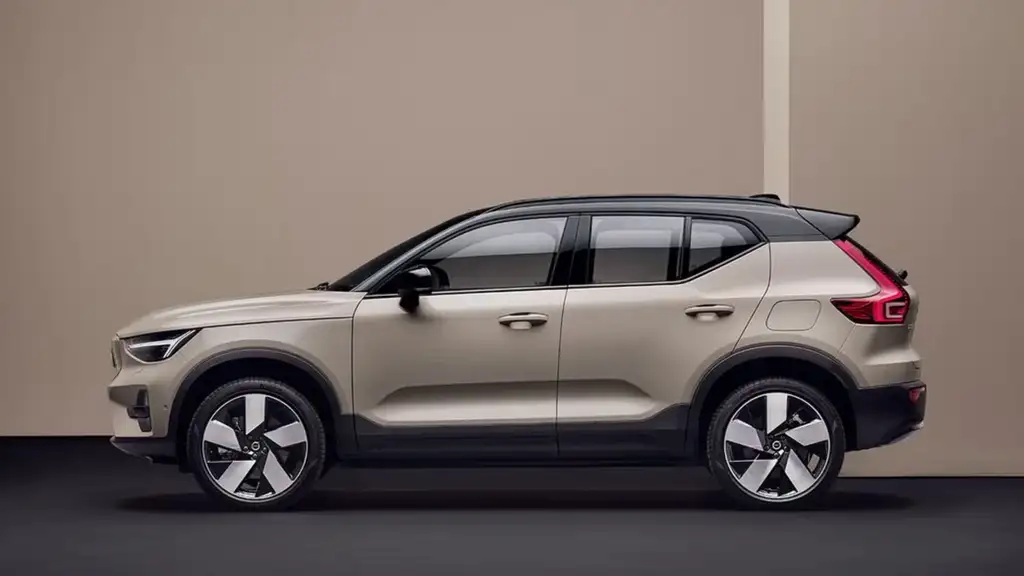
Interior Layout and Structural Utilization
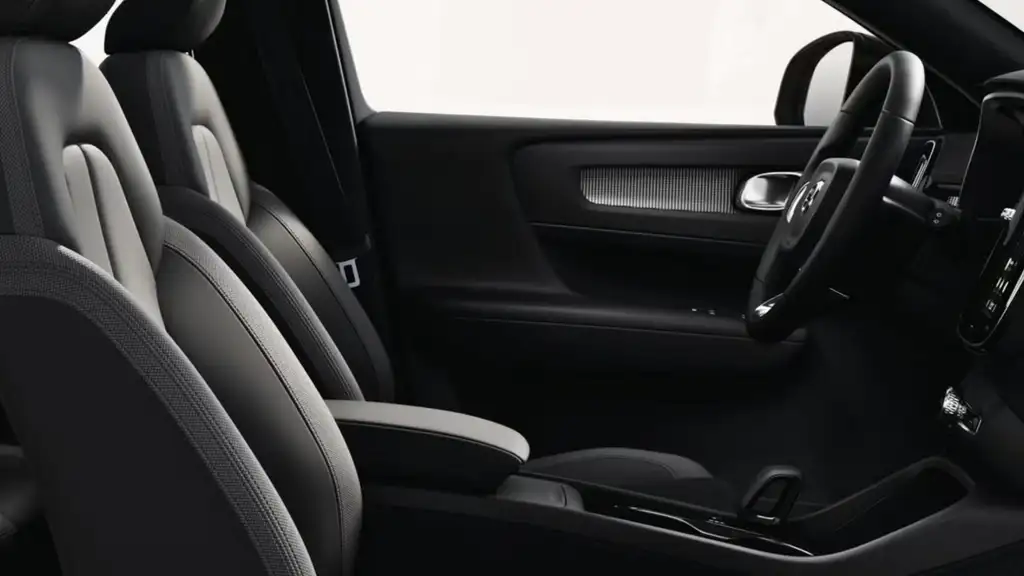
The interior of the 2026 Volvo EX40 is configured around the electric platform’s flat floor design, which improves space utilization and passenger comfort. Seating capacity accommodates five occupants with consistent headroom and legroom across both rows. Seat frames are engineered for structural support while minimizing overall weight.
Interior materials are selected based on durability and wear resistance rather than decorative emphasis. Trim components are designed to withstand temperature fluctuations and repeated use without degradation. Storage compartments are integrated into the cabin layout to maximize usable space without compromising structural integrity.
Noise reduction measures include acoustic insulation and vibration-damping materials strategically placed throughout the body and cabin. These measures reduce road noise and mechanical vibration, supporting a controlled driving environment.
Digital Interface and Infotainment Systems
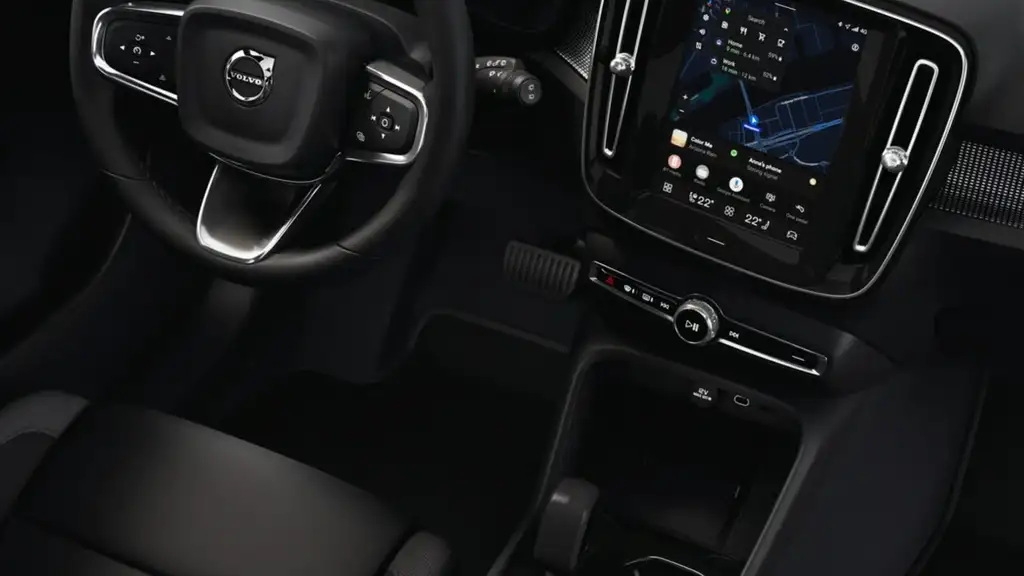
The 2026 Volvo EX40 utilizes a vertically oriented central touchscreen as the primary interface for vehicle controls. The system integrates Google-based software, providing built-in navigation, voice recognition, and application support. The interface is designed to reduce driver distraction by consolidating controls into a single display.
Over-the-air update capability allows the vehicle’s software systems to receive improvements and functional updates remotely. This includes infotainment features, vehicle performance adjustments, and system diagnostics enhancements. Software updates are managed through secure digital channels to maintain system integrity.
A digital driver display presents essential driving information, including speed, navigation guidance, and energy usage metrics. Display layouts prioritize clarity and legibility under varying lighting conditions.
Electric Drivetrain Architecture and Output Characteristics
The 2026 Volvo EX40 is configured with fully electric propulsion systems that deliver consistent torque delivery and smooth acceleration without the mechanical interruptions associated with internal combustion drivetrains. Electric motors generate immediate power response, allowing linear acceleration across a wide speed range. This characteristic improves drivability in urban traffic conditions while maintaining stable performance at highway speeds.
The 2026 Volvo EX40 is available in both single-motor rear-wheel-drive and dual-motor all-wheel-drive configurations. The rear-wheel-drive setup emphasizes efficiency and balanced handling, while the all-wheel-drive configuration distributes power between front and rear axles to improve traction and directional stability. Power distribution is electronically controlled, adjusting motor output based on road conditions and driver input.
Chassis tuning is specific to the electric platform, with suspension geometry calibrated to account for the additional mass of the battery system. The low-mounted battery lowers the vehicle’s center of gravity, reducing body roll and supporting predictable cornering behavior.
Battery System Design and Energy Storage
The battery system in the 2026 Volvo EX40 is a high-capacity lithium-ion unit designed to support daily driving demands and extended travel intervals. The battery is structurally integrated into the vehicle floor, contributing to torsional rigidity and overall body strength. This placement also enhances occupant safety by positioning the energy storage system within a reinforced structure.
Thermal management systems regulate battery temperature during charging and operation. Liquid cooling technology maintains consistent operating conditions, reducing performance variation caused by external temperature changes. Battery management software monitors charge levels, energy consumption, and system health to maintain long-term reliability.
The 2026 Volvo EX40 supports both AC and DC charging methods. AC charging is suited for residential or workplace environments, while DC fast charging enables rapid energy replenishment at compatible public charging stations. Charging speed is automatically adjusted based on battery temperature and charge level to preserve system longevity.
Regenerative Braking and Efficiency Optimization
Regenerative braking is integrated into the 2026 Volvo EX40’s braking system to recover kinetic energy during deceleration. This energy is redirected to recharge the battery, improving overall efficiency and extending driving range. Regenerative braking strength is calibrated to provide smooth deceleration without abrupt transitions, supporting consistent vehicle control.
The braking system blends regenerative and friction braking seamlessly. Electronic control systems determine the appropriate balance between energy recovery and mechanical braking based on driving conditions. This approach reduces brake component wear while maintaining predictable stopping performance.
Energy efficiency is further supported by software that analyzes driving patterns and auxiliary system usage. Climate control, infotainment, and power distribution are managed to minimize unnecessary energy draw during operation.
Exterior Engineering and Aerodynamic Function
The exterior design of the 2026 Volvo EX40 is shaped to reduce aerodynamic drag while maintaining structural integrity. The closed front fascia replaces traditional grille openings, limiting airflow disruption and improving efficiency. Air channels and body contours guide airflow along the vehicle’s sides and rear to reduce turbulence.
LED lighting systems are integrated into the body structure, providing consistent illumination and reduced power consumption compared to conventional lighting technologies. Headlamp and taillamp housings are sealed to prevent moisture intrusion and maintain long-term performance.
Body panels are constructed from materials selected for strength and corrosion resistance. Panel alignment and surface finish are engineered to maintain aerodynamic efficiency while supporting long-term durability in varied environmental conditions.
Driver Assistance and Safety Engineering
Safety systems in the 2026 Volvo EX40 are engineered to support collision avoidance and occupant protection through a combination of sensors, cameras, and electronic control units. Advanced driver assistance systems monitor surrounding traffic conditions and provide corrective input when necessary.
Standard safety technologies include lane-keeping assistance, forward collision mitigation, blind-spot monitoring, and rear cross-traffic alert. These systems operate continuously during vehicle operation, supporting driver awareness without overriding manual control.
Pilot Assist functionality supports steering, braking, and acceleration assistance under specific conditions. The system relies on clearly marked roadways and active driver supervision to function effectively.
Structural safety engineering includes a reinforced passenger cell and controlled deformation zones. The battery enclosure is protected by a rigid frame designed to reduce risk during frontal and side impacts.
Climate Control Systems and Thermal Efficiency
The 2026 Volvo EX40 employs an energy-efficient climate control system optimized for electric vehicle operation. Heat pump technology, when equipped, reduces energy consumption during cabin heating by transferring ambient thermal energy rather than generating heat exclusively through electrical resistance.
Preconditioning functions allow the cabin and battery to reach optimal temperatures while the vehicle remains connected to a charger. This reduces energy draw during initial driving and supports consistent system performance.
Air filtration systems reduce particulate matter entering the cabin, supporting a controlled interior environment. Climate settings are adjustable through the central touchscreen interface.
Manufacturing Precision and Material Selection
The 2026 Volvo EX40 is assembled using manufacturing processes designed to maintain tight tolerances and consistent quality. Structural components are tested for load distribution and fatigue resistance to support long-term durability. Reduced mechanical complexity compared to combustion vehicles simplifies maintenance requirements.
Material selection emphasizes recyclability and responsible sourcing. Interior and exterior components are designed for extended service life, reducing the need for frequent replacement.
Visit Friendship Volvo of Bristol at Bristol, TN
Experiencing the 2026 Volvo EX40 in operation provides direct insight into its electric drivetrain response, braking integration, and digital interface functionality. A test drive allows drivers to evaluate steering calibration, suspension tuning, and cabin noise management under normal driving conditions. Our team at Friendship Volvo of Bristol in Bristol, TN, can provide detailed explanations of charging systems, driver assistance features, and software integration during the visit. This approach supports informed evaluation of the 2026 Volvo EX40’s technical design rather than generalized impressions. Scheduling a test drive offers an opportunity to assess how the vehicle’s engineering aligns with specific driving requirements.
Contact Us