

2026 Volvo EX40 near Johnson City, TN
The 2026 Volvo EX40 is engineered as a fully electric compact SUV that replaces internal combustion components with a dedicated battery-electric platform. This configuration enables simplified mechanical systems, improved energy efficiency, and consistent performance delivery. The vehicle is designed to operate exclusively on electric power, eliminating fuel-based propulsion entirely. Its structure supports multiple drivetrain configurations, optimized battery placement, and integrated digital systems that manage performance, safety, and connectivity. The 2026 Volvo EX40 combines a compact footprint with a system-focused design that prioritizes efficiency, stability, and usability.
Digital Interface and Integrated Connectivity
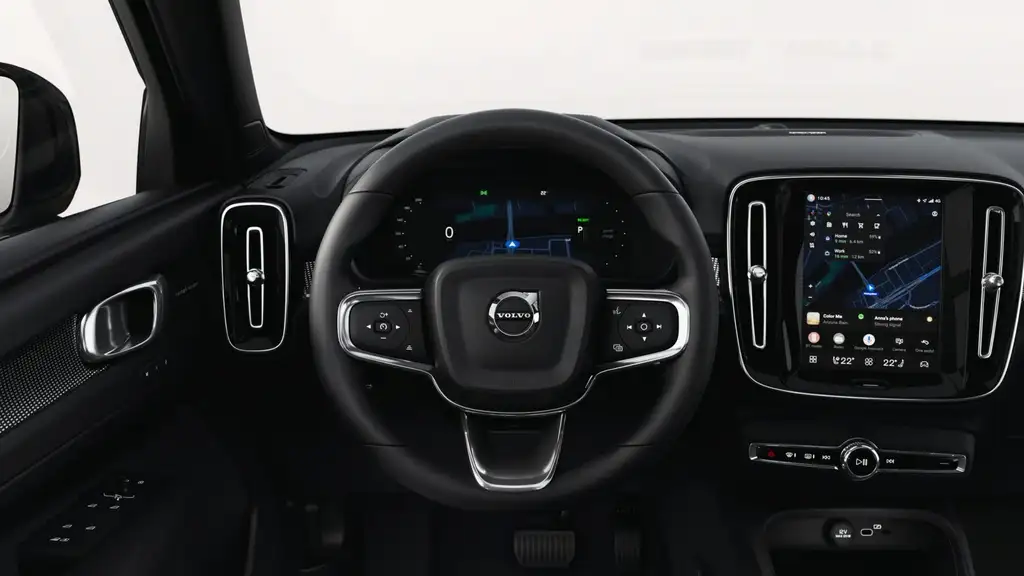
The 2026 Volvo EX40 incorporates a fully digital interface that manages vehicle functions through a centralized system. The infotainment platform is based on integrated software that supports navigation, communication, and system controls.
The central touchscreen provides access to vehicle settings, climate controls, and media functions. The interface is designed for clarity and responsiveness, allowing users to interact with multiple systems through a single display.
The system includes built-in Google services, which provide navigation, voice assistance, and application integration. These features support route planning, voice commands, and access to external applications.
Over-the-air update capability allows the vehicle to receive software improvements without requiring physical service visits. This ensures that system performance and features remain current over time.
The digital instrument cluster displays key driving information, including battery status, range estimates, and navigation prompts. The system adjusts displayed information based on driving conditions and user preferences.
Interior Configuration and Functional Layout
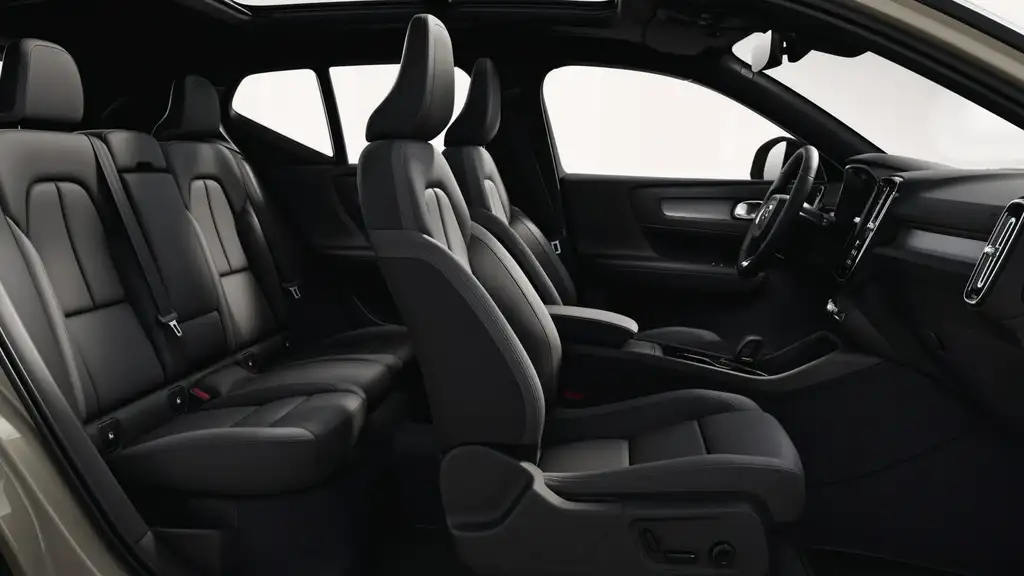
The interior of the 2026 Volvo EX40 is designed with a focus on functional efficiency and space utilization. The absence of an internal combustion engine allows for improved cabin layout and increased storage capacity.
Seating is arranged to provide support during extended driving periods. Materials are selected for durability and ease of maintenance. The cabin layout emphasizes accessibility, with controls positioned for straightforward operation.
The rear cargo area supports flexible storage configurations through folding rear seats. This allows the vehicle to accommodate both passengers and cargo as needed. Additional storage is available in the front compartment, enabled by the electric drivetrain layout.
Noise reduction is achieved through structural insulation and the absence of engine vibration. This results in a quieter cabin environment during operation. The design supports improved focus and reduced driver fatigue.
Electric Drivetrain Configuration and Output Delivery
The 2026 Volvo EX40 uses an electric drivetrain that replaces conventional engines with one or two electric motors depending on the selected configuration. The single-motor variant drives the rear wheels, while the dual-motor configuration distributes power across both axles to enable all-wheel drive capability. This arrangement improves traction and directional stability in varying driving conditions.
Electric motors generate torque instantly upon acceleration input, which eliminates the delay associated with traditional transmissions. The 2026 Volvo EX40 uses a single-speed transmission system that reduces mechanical complexity and minimizes energy loss during power transfer. This design ensures consistent acceleration without gear-shifting interruptions.
The dual-motor system enhances overall output and supports balanced torque distribution. By independently controlling power between the front and rear axles, the system improves handling precision and traction on uneven or low-grip surfaces. The drivetrain is managed by electronic control systems that adjust torque output based on driving conditions and driver input.
Regenerative braking is integrated into the drivetrain to recover kinetic energy during deceleration. This system converts braking energy into electrical energy and stores it in the battery. It also reduces reliance on friction braking components, which lowers wear over time.
Battery System Design and Range Capabilities
The 2026 Volvo EX40 is equipped with a high-capacity lithium-ion battery positioned within the vehicle floor. This placement lowers the center of gravity and enhances structural stability. The battery system is designed to deliver a balance between driving range and performance output.
Depending on the selected powertrain configuration, the 2026 Volvo EX40 provides an estimated driving range between 260 miles and 296 miles on a full charge. This range supports both daily commuting and extended driving without frequent charging interruptions.
The battery management system regulates temperature, voltage, and charge distribution to maintain consistent performance. Thermal management components monitor internal conditions and adjust cooling or heating processes as needed. This ensures that the battery operates within optimal temperature ranges, which improves efficiency and longevity.
Pre-conditioning technology allows the battery to reach an optimal temperature before driving or charging. This function enhances energy efficiency and reduces charging time by preparing the battery for energy transfer.
Disclaimer: * EPA-estimated 118 city /94 highway/ 106 combined for single motor variant. EPA-estimated 103 city/ 85 highway/ 94 combined for twin motor variant. Use for comparison purposes only. Your range and MPGe will vary for many reasons, including but not limited to, driving conditions, how and where you drive, how you maintain your vehicle, battery-package/condition, and other factors. Visit fueleconomy.gov for further information.
Charging Infrastructure and Energy Replenishment
The charging system of the 2026 Volvo EX40 supports multiple charging methods to accommodate different usage scenarios. The vehicle is compatible with DC fast charging, home-based charging systems, and public charging networks.
DC fast charging enables rapid energy replenishment, allowing the battery to charge from 10 percent to 80 percent in approximately 28 minutes under optimal conditions. This capability supports long-distance travel by reducing downtime during charging stops.
Home charging is supported through dedicated wallbox systems, which allow overnight charging using standard electrical infrastructure. This method provides a consistent and convenient way to maintain battery levels for daily use.
The 2026 Volvo EX40 integrates charging station location services through its navigation system. This function identifies nearby charging points and assists in route planning. Charging performance may vary depending on environmental conditions, charger capacity, and battery state.
Disclaimer: Figures are preliminary and derived from estimates and calculations performed for the Volvo EX40. These outcomes are not guaranteed. Charging times can vary and depend on factors such as outdoor temperature, battery temperature, charging equipment, battery condition and car condition.
Structural Engineering and Exterior Efficiency
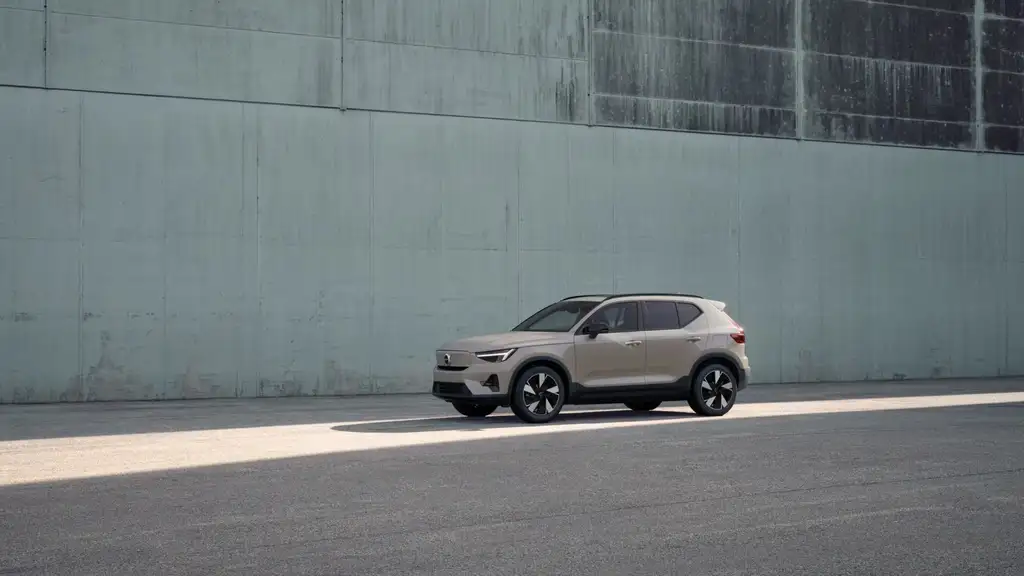
The exterior design of the 2026 Volvo EX40 is developed to improve aerodynamic efficiency and structural integrity. The absence of a traditional engine allows for optimized front-end design, including a closed grille that reduces air resistance.
The vehicle uses sculpted body panels to direct airflow along its sides and rear. This reduces drag and improves overall energy efficiency. Wheel designs are optimized to minimize turbulence and contribute to smoother airflow.
The 2026 Volvo EX40 maintains compact SUV dimensions, which support maneuverability in urban environments while preserving interior space. Ground clearance and balanced proportions enable the vehicle to handle a variety of road conditions without compromising stability.
Lighting systems use energy-efficient LED technology. These systems provide consistent illumination while minimizing energy consumption. The design also enhances visibility and safety during low-light conditions.
Safety Systems and Driver Assistance Technologies
The 2026 Volvo EX40 includes a comprehensive set of safety and driver assistance systems designed to monitor surroundings and assist the driver. These systems use sensors, cameras, and software algorithms to detect potential hazards and provide alerts.
Collision avoidance systems identify vehicles, pedestrians, and cyclists in the vehicle’s path. When necessary, the system can apply braking or adjust steering input to reduce the risk of impact.
Lane-keeping assistance monitors road markings and helps maintain proper lane position. Adaptive cruise control adjusts vehicle speed based on surrounding traffic conditions, maintaining a safe following distance.
Blind spot monitoring detects vehicles in adjacent lanes and provides alerts during lane changes. Parking assistance systems use cameras and sensors to support maneuvering in confined spaces.
The vehicle structure includes reinforced safety zones designed to absorb and distribute impact forces. The battery is protected within the vehicle floor structure to reduce the risk of damage during collisions.
Driver monitoring systems track attention levels and provide alerts if signs of fatigue or distraction are detected. These systems contribute to overall safety by supporting driver awareness.
Energy Optimization and Efficiency Systems
Energy management systems in the 2026 Volvo EX40 are designed to optimize power usage and extend driving range. These systems continuously monitor driving conditions and adjust energy distribution accordingly.
Thermal management components regulate battery temperature to maintain consistent performance. Heat pump technology improves energy efficiency by using residual heat from the drivetrain to warm the cabin.
Regenerative braking operates in coordination with driving inputs to recover energy during deceleration. The system adjusts braking intensity based on conditions and driver preferences.
One-pedal driving functionality allows drivers to control acceleration and deceleration using a single pedal. This feature improves efficiency in stop-and-go traffic and reduces reliance on traditional braking.
Software systems analyze driving patterns and environmental factors to optimize energy consumption. This adaptive approach supports consistent performance while minimizing unnecessary energy use.
Practical Functionality and Utility Integration
The 2026 Volvo EX40 is designed to provide practical functionality within a compact SUV format. The electric platform allows for efficient use of interior space, supporting both passenger comfort and cargo capacity.
The rear seating configuration supports multiple folding arrangements, enabling flexible cargo storage. The flat load floor simplifies loading and unloading tasks.
The vehicle supports additional utility features such as roof load capability and towing functionality. These features expand the range of applications for the vehicle, including transport of equipment and recreational use.
Compact dimensions allow for easier navigation in urban environments. Driver assistance systems support parking and maneuvering in tight spaces.
Schedule a Test Ride at Friendship Volvo of Bristol
We invite you to examine the 2026 Volvo EX40 in detail at Friendship Volvo of Bristol near Johnson City, TN. This model integrates a fully electric drivetrain, advanced battery management, and comprehensive safety systems within a compact SUV structure. A scheduled test drive allows you to evaluate acceleration response, regenerative braking behavior, and digital interface functionality. You can also assess charging integration, interior layout, and driver assistance systems during operation. Contact our team to arrange a visit and review the vehicle’s technical features through direct experience.
Contact Us