

2026 Volvo XC60 Plug-in Hybrid near Kingsport, TN
The 2026 Volvo XC60 Plug-in Hybrid is a midsize luxury SUV designed to combine electrified propulsion, advanced driver assistance systems, and integrated digital technologies. This model uses a plug-in hybrid configuration that pairs a gasoline engine with an electric motor and high-capacity battery pack. The system supports both electric-only driving and hybrid operation, allowing the vehicle to balance efficiency with performance across various driving conditions.
The 2026 Volvo XC60 Plug-in Hybrid integrates an electronically controlled all-wheel-drive system that distributes power between the gasoline engine and the electric motor. This design allows the vehicle to provide consistent traction and stable acceleration. The vehicle also incorporates a battery charging system that supports home charging as well as regenerative braking during deceleration.
Volvo designed the 2026 Volvo XC60 Plug-in Hybrid to deliver measurable performance while reducing reliance on gasoline during shorter driving distances. Its powertrain configuration supports electric propulsion for local driving and gasoline power for extended travel. In addition, the vehicle integrates driver assistance technologies and a digital infotainment platform that manages navigation, connectivity, and vehicle settings.
Interior Layout and Functional Cabin Technology
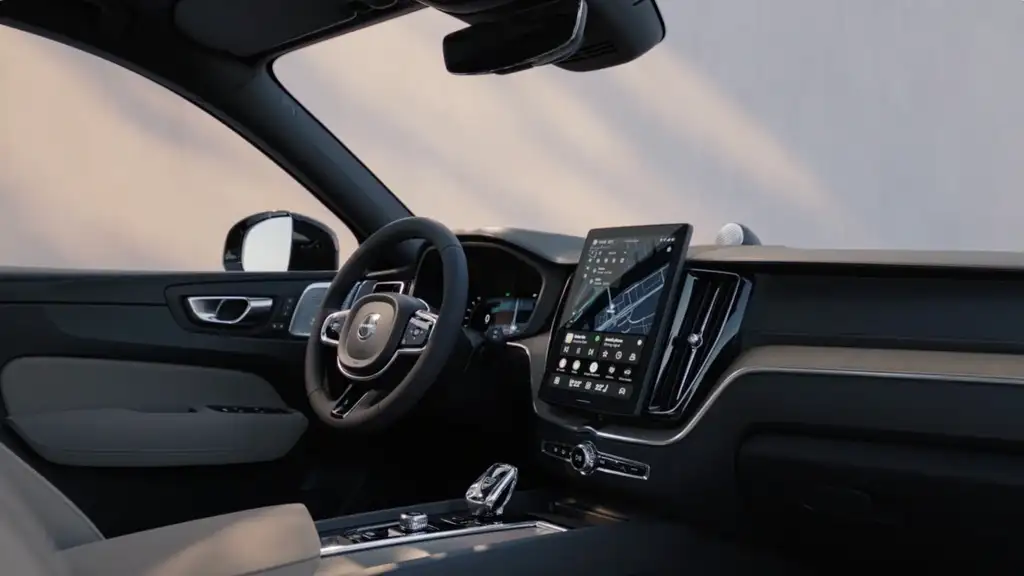
The interior of the 2026 Volvo XC60 Plug-in Hybrid focuses on functional layout and driver accessibility. The dashboard integrates digital displays and control interfaces positioned within the driver’s field of view. The driver information display replaces traditional analog gauges and presents digital speed readings, navigation prompts, and hybrid system data.
The center infotainment screen operates as the primary control interface for vehicle settings. The touchscreen uses a vertical orientation that allows drivers to access navigation, media, climate control, and system settings. The interface uses large icons and structured menus to reduce driver distraction.
The infotainment platform uses Google-built-in services. These services provide integrated navigation through Google Maps and voice command functionality through Google Assistant. Drivers can control navigation, media playback, and climate functions using voice instructions.
The infotainment system also supports smartphone connectivity through Apple CarPlay® compatibility. This integration allows drivers to connect mobile devices and access supported applications through the vehicle display.
Interior seating uses an ergonomic design intended to support long-distance driving comfort. The front seats include power adjustment controls that allow drivers to modify seat position and lumbar support. The rear seating area provides space for additional passengers while maintaining access to storage compartments and foldable seatbacks.
Exterior Engineering and Functional Design
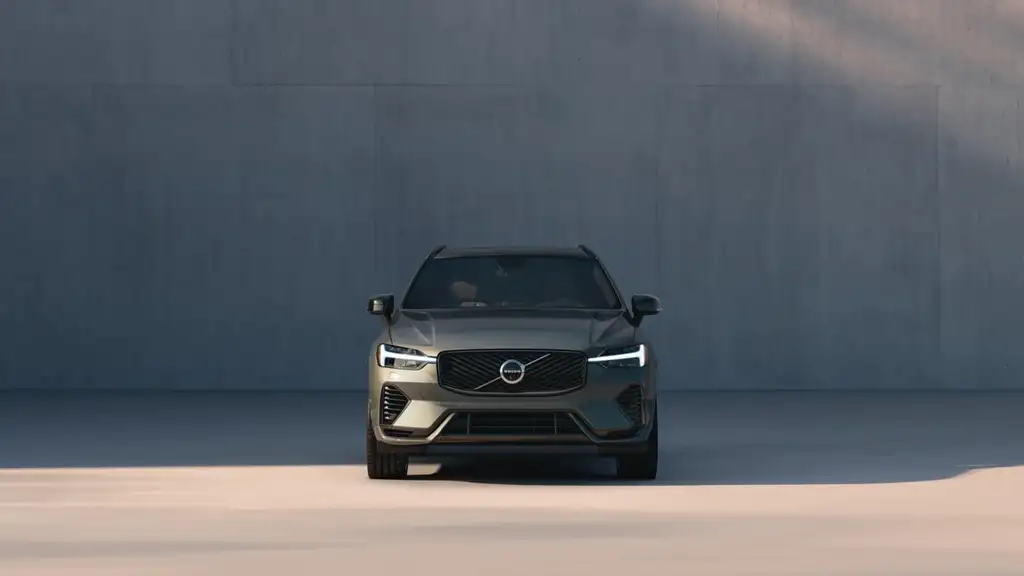
The 2026 Volvo XC60 Plug-in Hybrid incorporates a structural design intended to improve aerodynamics and vehicle stability. The body structure uses carefully shaped panels and smooth surfaces to reduce aerodynamic drag. Reduced air resistance helps improve energy efficiency during both electric and hybrid operation.
The front of the vehicle includes Volvo’s signature LED headlight system. The lighting units use segmented LED technology that adjusts beam distribution to improve nighttime visibility. The headlight design also includes integrated daytime running lights that enhance vehicle visibility in daytime conditions.
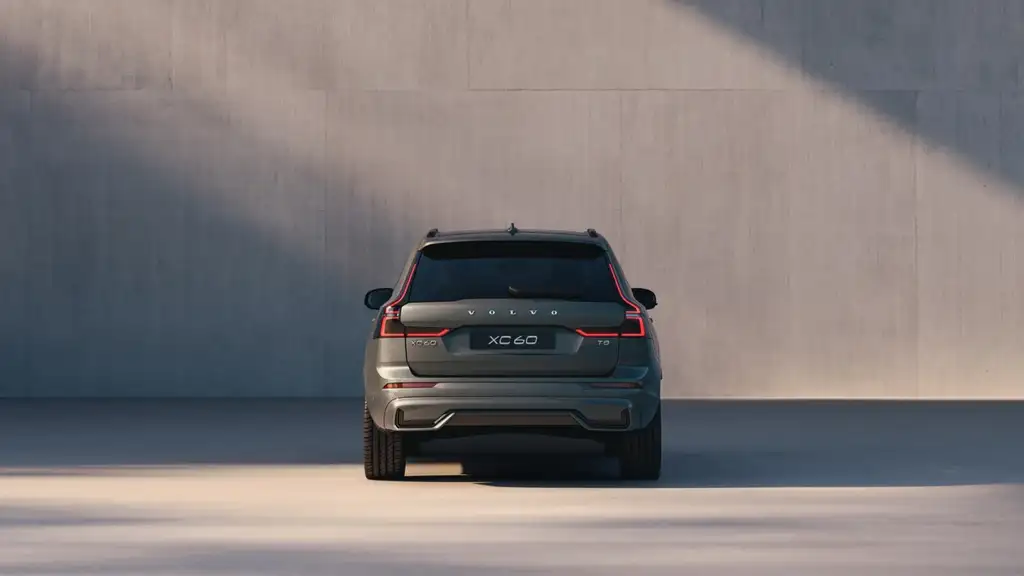
The vehicle uses an aerodynamic roofline that directs airflow toward the rear spoiler. This design helps reduce turbulence behind the vehicle. The side body panels contain defined contours that guide airflow along the vehicle sides, reducing wind resistance.
Exterior structural components also contribute to occupant protection. The reinforced body frame distributes impact forces during collisions. Volvo engineers designed the body structure using high-strength steel to improve durability and crash protection.
Electrified Powertrain and Hybrid System Engineering
The 2026 Volvo XC60 Plug-in Hybrid uses a dual-source propulsion system that combines a turbocharged four-cylinder gasoline engine with an electric motor mounted at the rear axle. The gasoline engine displaces 2.0 liters and uses both turbocharging and supercharging to increase airflow and combustion efficiency. This configuration improves power delivery across a wide range of engine speeds.
The electric motor operates independently from the gasoline engine and powers the rear wheels. When the vehicle operates in hybrid mode, both propulsion sources function together to increase total output and support all-wheel-drive capability. The combined output of the hybrid system reaches approximately 455 horsepower and 523 pound-feet of torque.
Power from the gasoline engine transfers through an eight-speed automatic transmission. The transmission adjusts gear selection automatically to maintain engine efficiency and provide smooth acceleration. The electric motor receives energy from the lithium-ion battery pack located beneath the vehicle floor.
The hybrid system includes regenerative braking technology that converts kinetic energy into electrical energy during braking. The recovered energy recharges the battery pack and extends electric driving capability. The system continuously monitors energy flow and adjusts power delivery according to driving conditions.
Electric Driving Capability and Battery Management
The 2026 Volvo XC60 Plug-in Hybrid contains a lithium-ion battery designed to support electric propulsion during low-speed and moderate-distance driving. The battery provides an estimated electric range of approximately 35 miles when operating in pure electric mode. During this mode, the gasoline engine remains inactive, allowing the vehicle to move using electric propulsion only.
The battery pack stores energy generated during charging and regenerative braking. Drivers can recharge the battery through external charging equipment connected to the vehicle charging port. Charging occurs through a standard plug-in interface that supports residential charging stations. The charging system monitors battery temperature and voltage levels to maintain optimal performance.
Battery management software regulates the distribution of stored energy between propulsion and auxiliary vehicle systems. The software also controls charging rates to protect battery components and extend service life. When battery capacity decreases during driving, the hybrid control unit activates the gasoline engine to maintain propulsion.
Adaptive Drive Modes and Power Distribution
The 2026 Volvo XC60 Plug-in Hybrid includes multiple drive modes that adjust vehicle behavior and power distribution. Each mode changes how the gasoline engine and electric motor interact. Drivers can select these modes through the infotainment interface.
Pure mode prioritizes electric propulsion. The vehicle operates primarily on battery power during moderate speeds and short distances. The gasoline engine activates only when higher power demand occurs or when battery capacity decreases.
Hybrid mode functions as the default operating setting. The vehicle control system automatically alternates between gasoline and electric power. It evaluates throttle input, speed, and battery status to determine the most efficient propulsion method.
Power mode activates the full output of the hybrid system. In this setting, the gasoline engine and electric motor operate simultaneously to provide maximum acceleration and responsive throttle performance. This mode is designed for situations that require stronger power delivery.
All-wheel-drive mode maintains continuous traction by engaging both propulsion sources to power the front and rear axles. The system improves stability on surfaces that have reduced grip, including wet or uneven pavement.
Driver Assistance and Safety Technology Systems
The 2026 Volvo XC60 Plug-in Hybrid includes a comprehensive set of driver assistance technologies. These systems rely on sensors, radar units, and cameras placed around the vehicle. The sensors monitor surrounding traffic conditions and detect potential hazards.
Pilot Assist is one of the primary driver assistance systems. It combines adaptive cruise control with lane-centering assistance. The system helps maintain a selected speed while adjusting the distance from the vehicle ahead. It also provides steering assistance to keep the vehicle centered within lane markings.
The Blind Spot Information System monitors areas beside the vehicle that are not easily visible through mirrors. When another vehicle enters the blind spot zone, the system alerts the driver through visual indicators.
Forward collision avoidance technology detects vehicles or obstacles ahead. If the system identifies a potential collision risk, it issues a warning and can apply braking assistance. This feature reduces the likelihood of frontal collisions during traffic conditions.
Lane-keeping assistance monitors the vehicle’s position within its lane. When the system detects unintentional lane drift, it applies steering corrections to guide the vehicle back into the lane.
Cross-traffic alert assists drivers when reversing from parking spaces. The system detects approaching vehicles from the side and alerts the driver if a collision risk exists.
Charging Capability and Energy Efficiency
The 2026 Volvo XC60 Plug-in Hybrid supports plug-in charging through external electrical power sources. The charging port connects to residential charging equipment designed for plug-in hybrid vehicles. Charging equipment supplies electrical energy to the battery pack through the onboard charging unit.
The charging system manages current flow and battery temperature to ensure safe charging conditions. When the battery reaches full capacity, the charging system automatically stops power delivery.
Energy efficiency improves through the interaction of electric propulsion and regenerative braking. During braking events, the electric motor functions as a generator that converts motion into stored electrical energy. The stored energy returns to the battery pack and becomes available for later propulsion.
Hybrid operation also improves fuel efficiency during longer trips. The vehicle alternates between electric and gasoline power depending on driving conditions and battery charge levels. This coordinated operation reduces fuel consumption during mixed driving.
Schedule a Test Ride Today
Drivers who want to evaluate the hybrid system, driver assistance technologies, and digital features can arrange a vehicle demonstration. A test drive allows drivers to experience the interaction between the gasoline engine and electric motor, observe the digital infotainment system, and review the functionality of the safety technologies installed in the vehicle. Visitors can explore the charging interface, hybrid drive modes, and driver assistance systems during a guided demonstration. Interested drivers can schedule an appointment to examine the vehicle configuration and available features at Friendship Volvo of Bristol near Kingsport, TN. Our team can provide information about the hybrid technology, vehicle controls, and digital systems while assisting drivers during the test drive experience.
Contact Us