

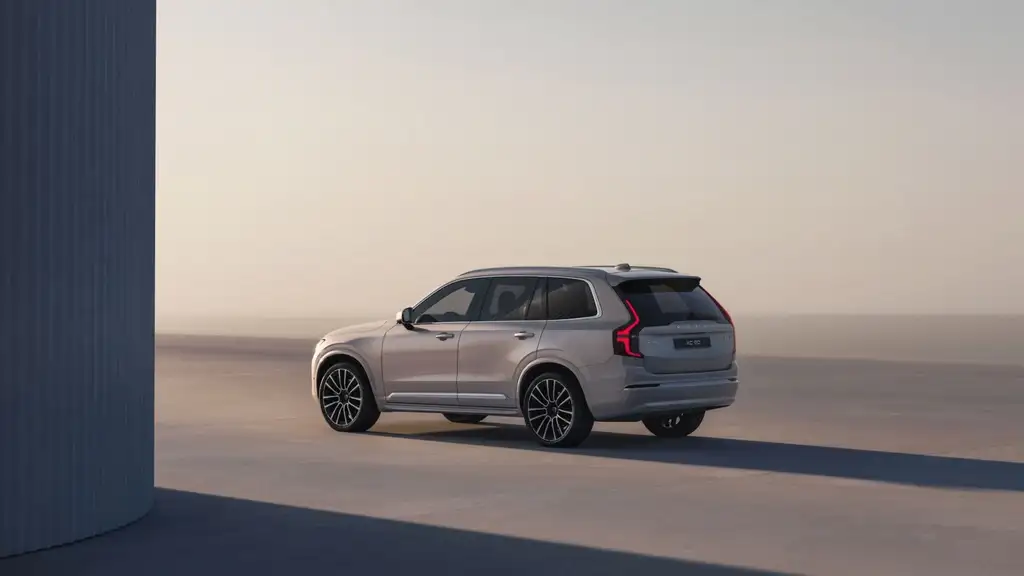
2026 Volvo XC90 near Johnson City, TN
The 2026 Volvo XC90 is engineered as a large luxury SUV with a mild hybrid powertrain and a configurable three-row seating layout designed for six or seven occupants. The vehicle integrates a turbocharged internal combustion engine with an electrified support system to improve efficiency, reduce emissions, and maintain consistent performance output. The structure combines high-strength materials with a modular platform that supports advanced safety systems and digital technology. The design emphasizes functionality through aerodynamic shaping, optimized interior space, and integrated electronic systems that manage performance, safety, and connectivity.
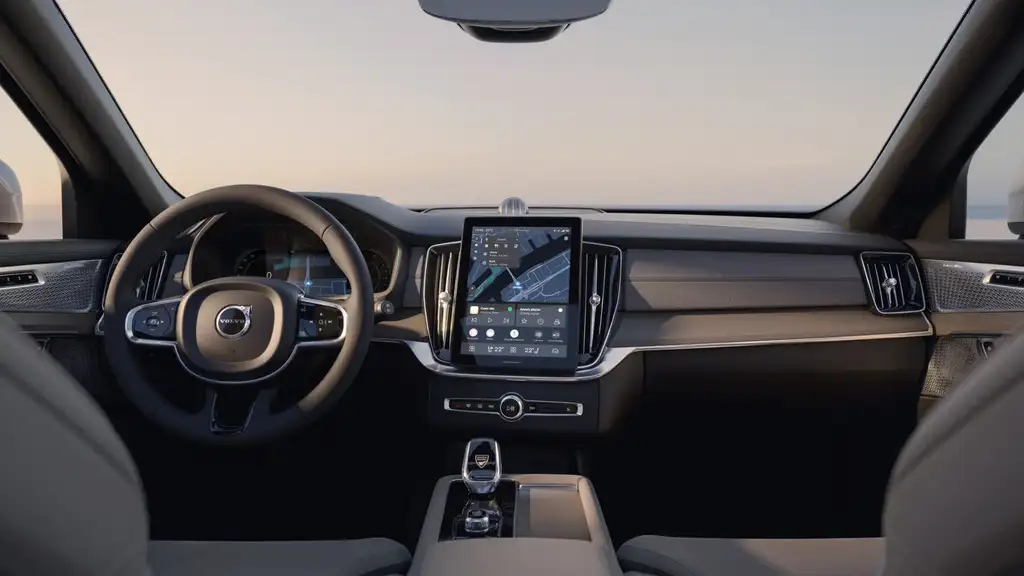
Digital Interface and Infotainment System
The 2026 Volvo XC90 features a central touchscreen interface that integrates navigation, media, and vehicle settings. The system is designed with a simplified layout to minimize driver distraction. Touch response is calibrated for accuracy and quick input recognition.
A digital driver display provides essential driving information, including speed, navigation guidance, and system alerts. The display can be configured to show different types of information based on driver preference.
The infotainment system supports smartphone integration through wireless connectivity. This allows access to communication and media applications directly through the vehicle interface. Voice control functionality enables drivers to operate key features without manual input.
Over-the-air software updates ensure that system functionality remains current. This allows the vehicle to receive updates without requiring physical service appointments for software improvements.
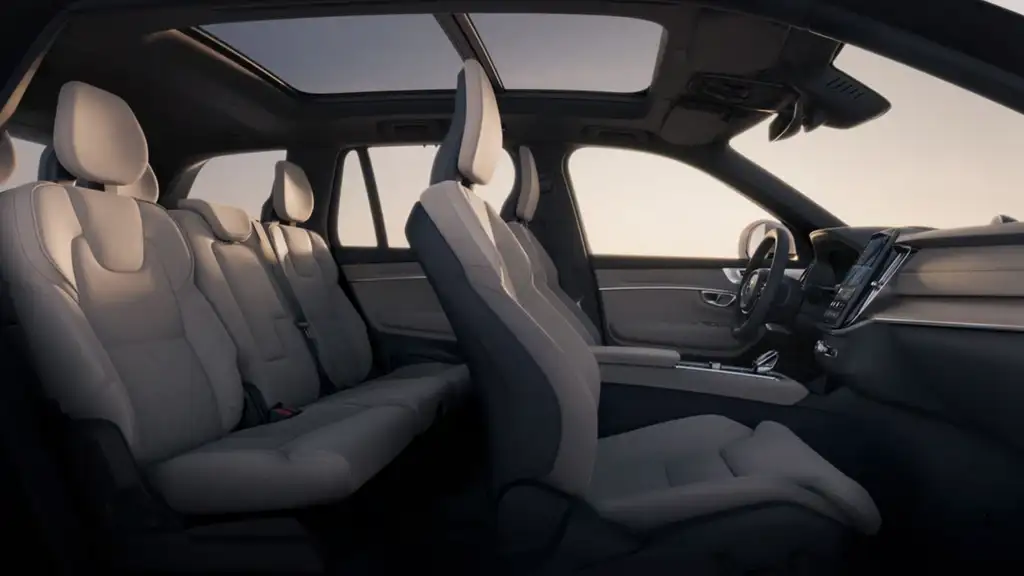
Cabin Configuration and Interior Engineering
The interior of the 2026 Volvo XC90 is configured to support six or seven passengers, depending on the selected seating arrangement. The seating system is designed to provide ergonomic support and adjustability. Multiple adjustment points allow occupants to maintain proper posture during extended travel.
The second-row seating can be configured as a bench or individual captain’s chairs. The third-row seating is designed to accommodate passengers without significant reduction in legroom. Entry and exit mechanisms are engineered for ease of access.
The cabin layout emphasizes efficient use of space. Storage compartments are integrated into the center console, door panels, and rear cargo area. The cargo system supports multiple configurations, allowing seats to be folded individually to expand storage capacity.
Noise insulation materials are incorporated into the cabin structure to reduce external sound intrusion. This improves overall comfort and allows for clearer audio system performance.
Powertrain Architecture and Hybrid System Functionality
The 2026 Volvo XC90 uses a turbocharged 2.0-liter four-cylinder engine paired with a 48-volt mild hybrid system. The integrated starter generator supports the engine during acceleration and captures energy during braking. This system reduces mechanical strain on the engine and improves fuel efficiency without requiring external charging.
The electrified system assists with smooth engine restarts during idle-stop conditions. It also contributes additional torque during low-speed acceleration, improving responsiveness in urban driving environments. The battery system stores recovered energy and redistributes it to support auxiliary systems and propulsion assistance.
The engine is paired with an automatic transmission calibrated to deliver consistent power across different driving conditions. Gear transitions are optimized for efficiency and minimal interruption to torque delivery. The available all-wheel drive system distributes power between the front and rear axles, improving traction and stability on varying road surfaces.
Chassis Engineering and Suspension Calibration
The 2026 Volvo XC90 is built on a platform designed for rigidity and balanced weight distribution. The front suspension uses a double wishbone design that improves wheel control and maintains consistent tire contact with the road surface. This configuration enhances steering precision and cornering stability.
The rear suspension includes an available air suspension system that adjusts ride height and damping characteristics. Sensors monitor vehicle load, speed, and road conditions to modify suspension settings automatically. At higher speeds, the system lowers the vehicle to reduce aerodynamic drag. During low-speed operation or uneven terrain, it increases ground clearance to improve obstacle clearance.
The braking system integrates regenerative functionality with conventional braking components. This allows the vehicle to recover kinetic energy while maintaining reliable stopping performance. Steering is electronically assisted, with calibration focused on predictable response and minimal input lag.
Structural Design and Material Composition
The body structure of the 2026 Volvo XC90 incorporates high-strength steel and reinforced zones to maintain rigidity and occupant protection. The platform is designed to absorb and redirect impact forces away from the passenger compartment. Crumple zones are strategically positioned to dissipate energy during collisions.
The structural layout supports the integration of advanced safety systems and battery components. Reinforced pillars and cross members contribute to overall durability while maintaining manageable vehicle weight. The use of lightweight materials in selected areas improves efficiency without compromising structural integrity.
The exterior design includes aerodynamic shaping that reduces drag and enhances stability at higher speeds. Airflow is managed through carefully contoured surfaces, contributing to improved fuel efficiency and reduced wind noise.
Exterior Lighting and Visibility Systems
The 2026 Volvo XC90 uses LED lighting technology for headlights, taillights, and daytime running lights. These systems provide consistent illumination with lower energy consumption compared to traditional lighting solutions. The headlight system is designed to distribute light evenly across the road surface, improving visibility during nighttime driving.
Adaptive lighting functionality adjusts beam direction based on steering input and vehicle speed. This improves visibility during cornering and reduces glare for oncoming traffic. The lighting system integrates with driver assistance features to provide enhanced situational awareness.
Exterior mirrors include integrated indicators and heating elements to maintain visibility in adverse weather conditions. The rear lighting system is positioned to maximize visibility to other drivers, improving overall safety.
Climate Control and Air Quality Systems
The 2026 Volvo XC90 includes a multi-zone climate control system that allows individual temperature settings for different areas of the cabin. This system distributes airflow evenly and maintains consistent temperature levels.
Air filtration technology is built in to cut down on the amount of particles and pollutants in the cabin. Sensors monitor air quality and adjust filtration settings as needed.
Heated and ventilated seating options are available to improve comfort in different weather conditions. The climate system operates efficiently to minimize impact on overall energy consumption.
Driver Assistance and Active Safety Systems
The 2026 Volvo XC90 incorporates a comprehensive set of driver assistance features designed to support driver awareness and reduce the risk of collisions. Forward collision mitigation systems monitor the road ahead and provide warnings or automatic braking when necessary.
Lane-keeping assistance uses sensors and cameras to detect lane markings and apply corrective steering inputs if the vehicle begins to drift. Blind-spot monitoring systems detect vehicles in adjacent lanes and provide alerts to the driver.
Pilot Assist technology combines adaptive cruise control with lane-centering functionality. This system maintains a set speed and distance from the vehicle ahead while keeping the vehicle centered within its lane.
Rear cross-traffic alert assists during reversing maneuvers by detecting approaching vehicles from the sides. A 360-degree camera system provides a comprehensive view of the vehicle’s surroundings, improving visibility during parking.
Passive Safety and Occupant Protection
The 2026 Volvo XC90 is equipped with a reinforced safety cage that protects occupants during collisions. The structure is designed to distribute impact forces across the frame, reducing the likelihood of intrusion into the passenger compartment.
Airbag systems are positioned throughout the cabin to provide protection in multiple types of collisions. These include front, side, and curtain airbags that deploy based on impact conditions.
Seatbelt systems include pre-tensioners and load limiters to manage occupant movement during a collision. Head restraints are designed to reduce the risk of whiplash injuries.
The vehicle includes systems that detect potential rollover conditions and adjust stability controls accordingly. This contributes to maintaining vehicle balance during sudden maneuvers.
Connectivity and Smart Function Integration
The 2026 Volvo XC90 integrates remote connectivity features that allow drivers to interact with the vehicle through a mobile application. Functions include remote locking and unlocking, vehicle status monitoring, and cabin pre-conditioning.
Multiple USB ports and charging options are distributed throughout the cabin to support device usage for all passengers. Wireless charging capability is available for compatible devices.
Keyless entry and push-button start systems streamline vehicle access and operation. A hands-free power tailgate improves convenience during cargo loading.
The integration of connected systems ensures that drivers can maintain control over vehicle functions and access information efficiently.
Schedule a Test Ride Today
Drivers interested in evaluating the engineering and system integration of the 2026 Volvo XC90 can schedule a test drive through Friendship Volvo of Bristol near Johnson City, TN. A test drive allows direct assessment of the mild hybrid powertrain, including acceleration response and energy recovery during braking. It also provides an opportunity to examine the functionality of driver assistance systems such as Pilot Assist and lane-keeping support. The cabin environment, including seating ergonomics, digital interface operation, and climate control performance, can be reviewed under normal driving conditions. Contact our dealership to arrange a scheduled visit and observe how the 2026 Volvo XC90 operates across different driving scenarios.
Contact Us