

2026 Volvo XC90 Plug-in hybrid in Bristol, TN
The 2026 Volvo XC90 Plug-In Hybrid is engineered as a three-row luxury SUV that integrates electrified driving capability with established internal combustion technology. This model is configured to support drivers seeking reduced fuel consumption without sacrificing vehicle size, traction capability, or onboard systems. The plug-in hybrid configuration differs structurally and mechanically from mild hybrid variants by incorporating a larger battery that can be charged from an external power source and by enabling extended electric-only driving. This design supports daily driving needs while maintaining full hybrid operation for longer distances. It retains Volvo’s established platform architecture while integrating advanced energy management systems and updated software-driven controls.
Connectivity and Software Integration
Software systems in the 2026 Volvo XC90 Plug-In Hybrid are designed to receive over-the-air updates. This capability allows system enhancements and feature refinements to be implemented without physical service visits. Software updates support infotainment performance, navigation accuracy, and system security.
Connectivity features enable seamless integration between vehicle systems and digital services. Data processing is handled through onboard systems to maintain operational stability and responsiveness.
Practical Driving Application and Vehicle Versatility
The combination of electric-only capability and hybrid propulsion allows the 2026 Volvo XC90 Plug-In Hybrid to adapt to varied driving requirements. Short commutes can be completed using stored electrical energy, while longer trips benefit from combined power sources. The system is engineered to transition between modes without manual intervention.
Interior flexibility supports family transport, professional use, and cargo transport as needed. The vehicle maintains consistent performance regardless of passenger load or driving distance.
Dual-Powertrain Engineering and Hybrid Configuration
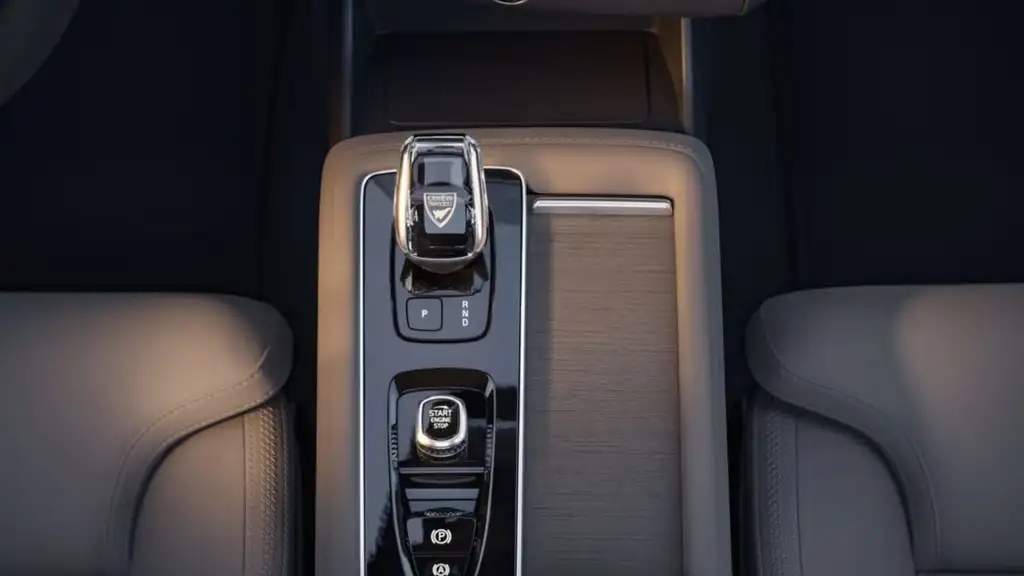
The powertrain system of the 2026 Volvo XC90 Plug-In Hybrid combines a turbocharged gasoline engine with an electric motor powered by a high-capacity lithium-ion battery. These components operate in coordination through a centralized electronic control system that manages power delivery based on driving demands, battery charge level, and selected drive mode. The gasoline engine provides sustained output for higher speeds and extended operation, while the electric motor supports low-speed propulsion and supplemental torque during acceleration.
The externally rechargeable battery allows the vehicle to operate in electric-only mode for shorter trips. When battery charge is depleted or additional power is required, the system transitions automatically to hybrid operation. This transition is calibrated to occur smoothly without abrupt changes in throttle response. The hybrid system is designed to optimize efficiency during urban driving and maintain consistent performance during highway use.
All-Wheel Drive Distribution and Traction Management
The 2026 Volvo XC90 Plug-In Hybrid uses an all-wheel drive configuration that distributes propulsion between the front and rear axles using both mechanical and electrical components. The gasoline engine primarily drives the front wheels, while the electric motor contributes power to the rear axle. This layout allows precise torque allocation without reliance on a traditional driveshaft connecting both axles.
Traction control systems monitor wheel speed, steering input, and road conditions to adjust power delivery dynamically. This design improves stability during low-grip conditions such as wet pavement or uneven terrain. The system operates automatically and does not require driver input, ensuring consistent handling characteristics across varied driving environments.
Exterior Architecture and Functional Design
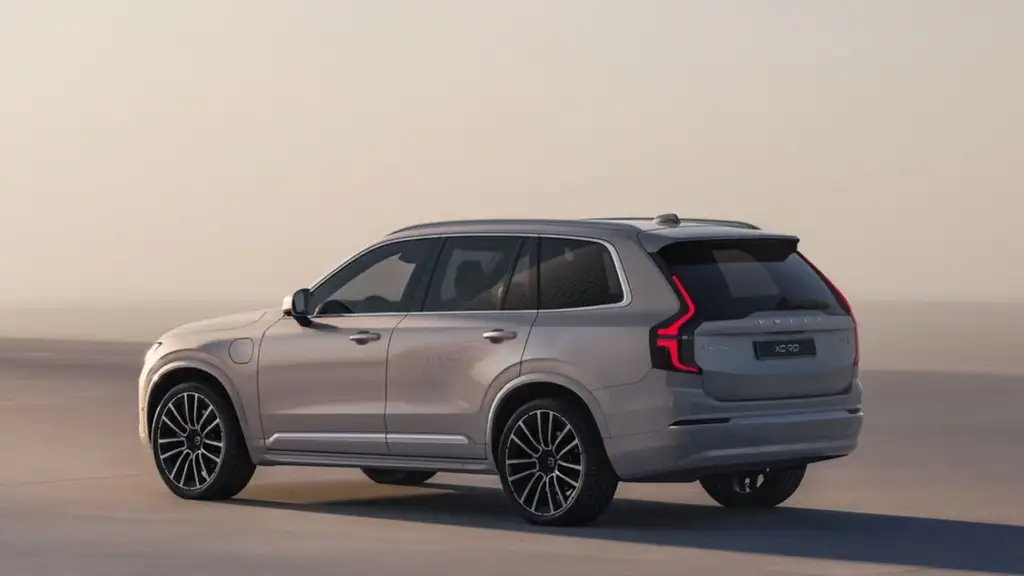
The exterior structure of the 2026 Volvo XC90 Plug-In Hybrid is shaped to balance aerodynamic efficiency with interior space requirements. Body panel contours are designed to reduce air resistance, supporting improved efficiency during both electric and hybrid operation. The vehicle maintains the proportions necessary to accommodate three rows of seating while preserving structural rigidity.
Lighting systems use LED technology for both forward and rear illumination. These systems are designed to provide consistent light distribution and long operational life. The charging port is integrated into the exterior bodywork in a manner that preserves overall design continuity while remaining easily accessible for daily charging use.
Cabin Configuration and Interior Engineering
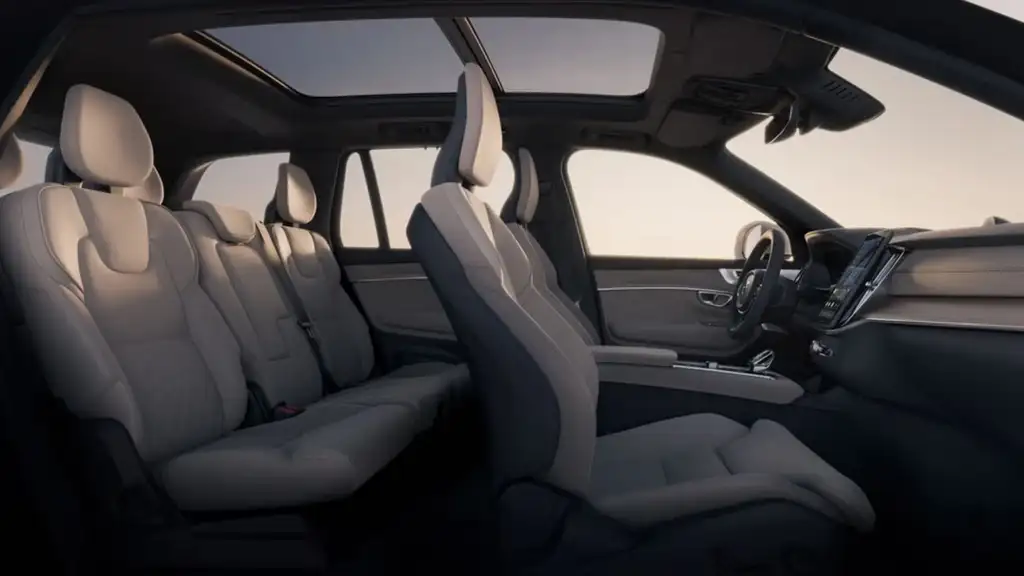
The interior of the 2026 Volvo XC90 Plug-In Hybrid is configured to support either six or seven occupants, depending on seating layout. Three rows of individually designed seats provide adjustable reclining functionality, allowing passengers to manage seating position based on comfort requirements. Seat structures are engineered to maintain support while accommodating long-duration travel.
Battery placement beneath the vehicle floor is engineered to preserve interior passenger space and cargo capacity. The third-row seating remains fully usable, and the cargo area can be expanded through folding seat mechanisms. Interior materials are selected to withstand regular use while maintaining consistent tactile performance. Acoustic insulation reduces road and powertrain noise across all driving modes.
Digital Instrumentation and Display Systems
The vehicle incorporates a fully digital instrument cluster paired with a centrally mounted touchscreen display. These systems provide access to vehicle data, navigation functions, and system controls. Display layouts are optimized for clarity, with configurable views that allow drivers to prioritize relevant information.
The infotainment system includes Google-based functionality integrated directly into the vehicle interface. Navigation, voice control, and application access are built into the system without reliance on external devices. Voice commands allow drivers to manage functions such as route guidance and climate settings while maintaining focus on driving tasks.
Energy Management and Drive Mode Selection
Energy management in the 2026 Volvo XC90 Plug-In Hybrid is controlled through a combination of hardware and software systems that regulate battery usage, regenerative braking, and power distribution. Drivers can select different drive modes to influence how the vehicle prioritizes electric propulsion or hybrid operation. These modes adjust throttle calibration, powertrain response, and energy usage patterns.
Regenerative braking captures kinetic energy during deceleration and converts it into electrical energy stored in the battery. This process operates automatically and contributes to maintaining battery charge during normal driving. Battery management systems monitor temperature, charge cycles, and power output to support long-term performance consistency.
Structural Safety Engineering and Driver Assistance Systems
The 2026 Volvo XC90 Plug-In Hybrid is constructed using a reinforced body structure designed to manage impact forces and maintain occupant protection. High-strength steel components form a rigid safety cage around the passenger compartment. Crumple zones are engineered to absorb energy during collisions.
Driver assistance systems operate through a network of sensors, cameras, and radar units positioned around the vehicle. These systems support functions such as collision avoidance, lane monitoring, and adaptive speed control. The technologies are designed to assist driver awareness and reduce the likelihood of accidents while maintaining clear system feedback.
Suspension Design and Ride Control
The suspension system of the 2026 Volvo XC90 Plug-In Hybrid is calibrated to manage the additional weight of hybrid components while preserving ride comfort and stability. Spring and damper settings are tuned to support consistent handling across different road surfaces. Electronic control systems adjust suspension response based on vehicle speed and driving conditions.
Steering calibration emphasizes precision and predictability. Feedback is engineered to remain consistent across electric-only and hybrid driving modes. This approach supports driver confidence during routine driving and extended travel.
Charging Capability and Electrical Infrastructure
The plug-in hybrid system supports external charging through standard electrical connections. This allows the battery to be replenished at home or public charging locations. Charging indicators provide clear feedback on system status and charge progress. The charging process is designed for routine daily use without specialized equipment.
Electrical systems are integrated to support onboard technology, climate control, and infotainment features without compromising battery efficiency. Power distribution prioritizes essential driving functions while maintaining system reliability.
Visit Friendship Volvo of Bristol to Schedule a Test Ride
To fully understand how the 2026 Volvo XC90 Plug-In Hybrid integrates electric propulsion, all-wheel drive performance, and advanced safety systems, a scheduled test drive provides direct exposure to its engineering characteristics. At Friendship Volvo of Bristol in Bristol, TN, drivers can evaluate the vehicle’s electric driving capability, digital interfaces, and ride quality under typical road conditions. A test drive allows observation of how the hybrid system manages power transitions and traction distribution. It also provides an opportunity to experience seating comfort, interior acoustics, and driver assistance features during operation. Scheduling a drive offers a practical way to assess how the 2026 Volvo XC90 Plug-In Hybrid supports efficiency, stability, and daily usability within a single vehicle platform.
Contact Us